
Hiking Mountain Kilimanjaro.
Hiking Mountain Kilimanjaro is one of the most iconic and most compelling mountain challenges available to non-technical trekkers anywhere in the world, and the experience of standing on Uhuru Peak at 5,895 metres above sea level the roof of Africa and the highest free-standing mountain on earth is one that every year draws tens of thousands of climbers from across the globe who want to test themselves against something genuinely significant. Unlike the glaciated technical peaks of the Himalayas or the Andes, Kilimanjaro requires no ropes, no specialist mountaineering equipment, and no previous climbing experience. What it does require is good physical fitness, proper preparation, a respect for high altitude physiology, and a willingness to move slowly and deliberately through one of the most varied and most dramatic volcanic landscapes anywhere on earth.
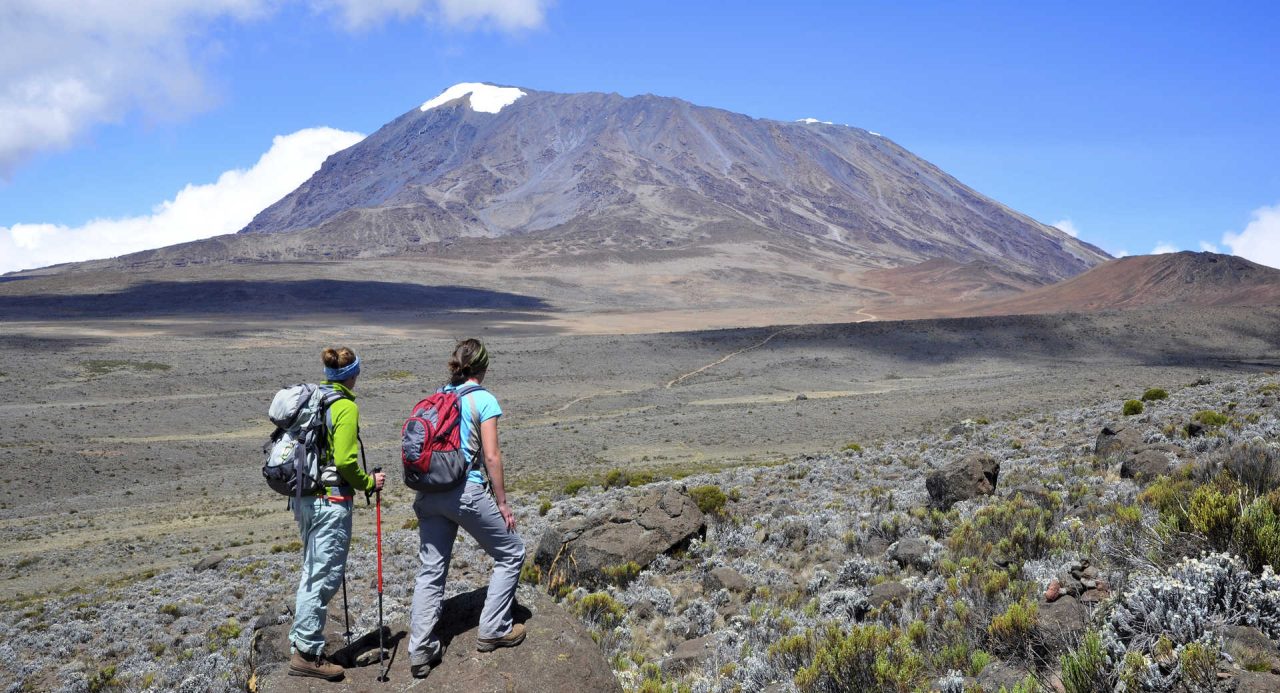
Here is your complete guide on Hiking Mountain Kilimajaro
About Mountain Kilimajaro.
Mount Kilimanjaro is a dormant stratovolcano in northern Tanzania, rising from the surrounding savannah at approximately 900 metres to its summit at 5,895 metres an elevation gain of nearly five kilometers from base to peak that passes through five distinct climate and vegetation zones on the way. The mountain’s lower slopes are covered in cultivated farmland and montane forest. Above the forest the vegetation transitions through heath and moorland zones filled with giant heather and senecio plants into the alpine desert of the upper mountain, and finally into the glacial zone near the summit where the famous but rapidly retreating ice fields of Kilimanjaro create a landscape of stark and otherworldly beauty. Walking through all five zones across the course of a multi-day trek is one of the most botanically and geographically varied mountain experiences available anywhere on earth.
The Routes; Choosing the Right Path.
Kilimanjaro has seven established trekking routes each offering a different approach to the summit with different scenery, different levels of difficulty, and different success rates that are worth comparing carefully before booking.
The Lemosho Route is widely regarded as the finest overall Kilimanjaro trekking experience an eight-day itinerary that approaches from the west, covers a beautiful and varied traverse of the mountain’s different zones, and provides excellent acclimatization time that produces one of the highest summit success rates of any route. The Machame Route is the most popular route on the mountain a seven-day itinerary known as the Whiskey Route that offers outstanding scenery and good acclimatization through its climb-high-sleep-low profile. The Rongai Route approaches from the north near the Kenyan border and offers a quieter and less-trafficked experience with a different perspective on the mountain’s volcanic terrain. The Marangu Route known as the Coca-Cola Route is the only route with hut accommodation rather than tenting and is often marketed as the easiest route, though its shorter duration and less effective acclimatization profile produces lower summit success rates than the longer western routes.
Acclimatization; The Most Critical Factor.
The most important factor determining whether you reach the Uhuru Peak summit is acclimatization the gradual process by which your body adapts to the reduced oxygen availability at high altitude. Altitude sickness affects climbers indiscriminately regardless of physical fitness, age, or previous mountain experience, and the only reliable strategy for reducing its impact is ascending slowly enough to allow proper physiological adaptation. This is why the longer routes with more acclimatization days consistently produce higher summit success rates than the shorter routes that gain altitude too rapidly.
The most commonly experienced symptoms of altitude sickness on Kilimanjaro include headache, nausea, fatigue, and disrupted sleep all of which are manageable with proper pacing and adequate hydration. More serious altitude conditions including high altitude pulmonary and cerebral oedema require immediate descent and are prevented by the same slow ascent strategy that manages milder symptoms. Discuss altitude medication options including Diamox with your doctor before departure.
Preparation and Fitness.
Kilimanjaro is a serious multi-day trekking commitment that rewards specific physical preparation in the months before your climb. The daily hiking on most routes covers between five and fifteen kilometers of ascending and descending terrain over five to nine hours, carrying a daypack while porters manage the main equipment. Cardiovascular fitness the ability to sustain aerobic effort for extended periods is the most important physical quality for Kilimanjaro success. Training should include regular hiking on uneven terrain with gradual increases in duration and elevation gain, supplemented by cardiovascular exercise that builds sustained aerobic capacity.
Costs and Practical Information.
Kilimanjaro climbs are only permitted through licensed operators who provide registered guides, porters, and the KINAPA park authority fees that represent the largest single component of the total cost. All-inclusive Kilimanjaro climbing packages range from approximately $1,500 to $4,000 per person depending on the route chosen, the number of days, the operator’s quality level, and the accommodation standard.
The best time to climb Mt. Kilimanjaro
The best time is during the two dry season windows January to March and June to October when weather conditions on the upper mountain are most stable and summit visibility is at its clearest. Kilimanjaro rewards every climber who arrives prepared, moves slowly, and approaches the mountain with genuine respect for its extraordinary size and its genuine demands.
Travel with Wilder Africa Holidays
Plan and execute your hiking safari and you will not regret. We have group and private hikes to Kilimanjaro with reasonable rates for unforgettable experience. You can combine the hike to Kilimanjaro with Safari in Serengeti, Ngorongoro, Lake Manyara, city tour in Arusha, and Beach holiday on Zanzibar Island. Contact us today to start your hiking Safari planning.


