
Kigali Genocide Memorial is one of the places in the world that exist not for entertainment, not for recreation, and not for the particular kind of personal pleasure that most travel experiences are designed to deliver but for witness. For the honest, unhurried, and personally courageous act of standing in the presence of historical truth and allowing its full weight to land with the completeness and the personal significance it deserves.
Kigali Genocide Memorial is one of those places and every visitor to Rwanda who approaches it with genuine openness, adequate emotional preparation, and the personal respect that its extraordinary human significance demands will emerge from the experience permanently and profoundly changed in their understanding of history, humanity, and the particular, extraordinary story of the country they are visiting.
This guide tells you exactly what to expect honestly, specifically, and with the personal preparation that makes the difference between a visit that truly delivers the memorial’s extraordinary significance and one that passes through its spaces too quickly or too defensively to receive what it has to offer.
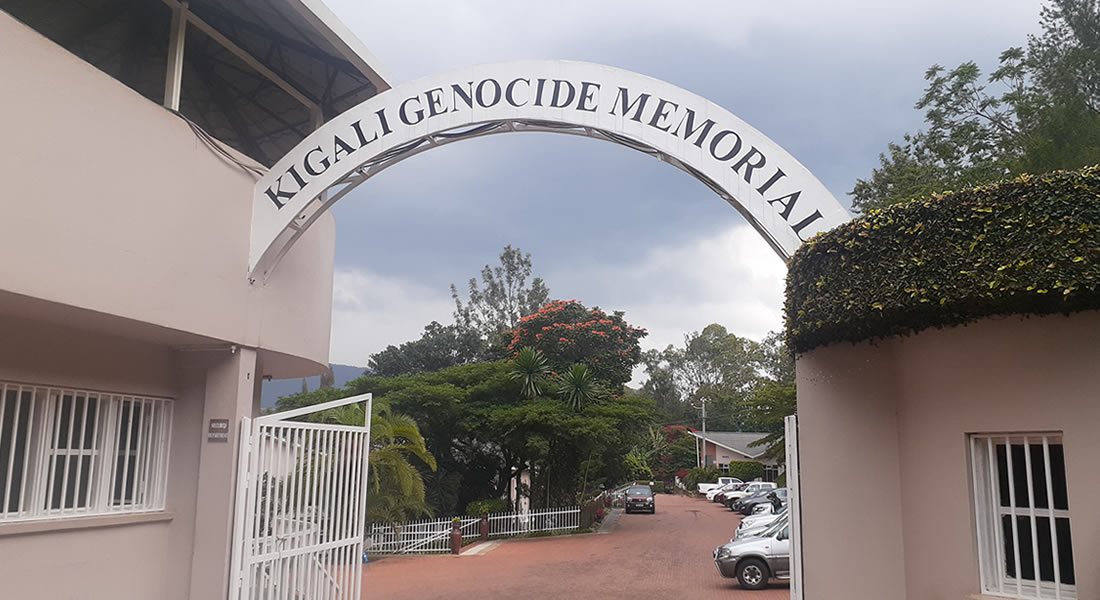
Kigali Genocide Memorial is located in the Gisozi district of Kigali approximately 3 kilometers from the city center, accessible by taxi, app-based ride service, or guided tour vehicle in approximately 15 minutes from most central Kigali hotels. The memorial is open Tuesday through Sunday, 8 AM to 5 PM closed on Mondays and on specific national commemoration dates whose closure schedule should be confirmed before visiting to prevent the entirely avoidable disappointment of an unplanned arrival on a closed day.
Entry to the memorial is free of charge for all visitors a deliberate policy whose democratic accessibility reflects the memorial’s fundamental purpose as a place of public witness rather than a commercial attraction whose financial barrier would contradict the inclusive, universal human significance of the story it exists to tell. Donations are gratefully received and directly support the memorial’s ongoing maintenance, educational programs, and the community support initiatives whose work with genocide survivors and their families continues to represent the most personally significant and most practically important dimension of the memorial’s living contribution to Rwanda’s ongoing healing and reconciliation process.
A Visit to the Kigali Genocide Memorial
What You Will See: The Kigali genocide Memorial’s Structure.
The Kigali Genocide Memorial encompasses three distinct areas whose combined engagement creates a complete, multidimensional encounter with Rwanda’s genocide history of remarkable emotional depth and educational comprehensiveness.
The Mass Graves the most immediately powerful and most personally confronting element of the memorial site contain the remains of more than 250,000 genocide victims in a series of covered concrete burial chambers whose simple, dignified architecture creates a physical encounter with the scale of the genocide’s human destruction of such concentrated personal weight that many visitors find themselves unable to speak for several minutes after passing the grave markers whose numbers communicate a human loss of such extraordinary magnitude that the mind struggles to process it within the frameworks of ordinary comprehension.
The graves are maintained with a dignity and a care of evident personal commitment that honors the individuals interred within them as the specific, named, individually significant human beings they were not as a statistical abstraction of historical violence but as the mothers, fathers, children, friends, and neighbors whose specific lives and specific deaths the memorial exists to acknowledge, to honor, and to ensure are never forgotten by the international community whose failure to prevent the genocide is itself a historical fact of considerable personal and moral significance for every international visitor who stands at these graves and understands, perhaps for the first time with genuine personal immediacy, what that failure actually meant.
The Permanent Exhibition housed in the memorial’s main building across several carefully sequenced gallery spaces delivers the most comprehensive and most personally enriching educational encounter with Rwanda’s genocide history available in the country, combining historical documentation, personal testimony, photographic evidence, and the specific stories of individual genocide victims and survivors whose names, faces, and personal narratives transform the statistical abstraction of 800,000 deaths into the individual, irreplaceable human losses of specific people whose lives are presented with such careful, respectful, and personally engaging detail that every visitor who moves through the exhibition slowly and attentively emerges with a depth of historical understanding and a personal connection to Rwanda’s story that no book, documentary, or secondary account can deliver with equal immediacy or equal personal impact.
The exhibition’s opening galleries establish the historical and political context of the genocide the colonial origins of the Hutu-Tutsi classification system, the political dynamics of the post-independence period, and the specific events of 1994 whose documentation creates the historical framework within which the personal testimonies and individual stories of the subsequent galleries acquire their full explanatory depth and emotional resonance. The final galleries document the aftermath, the justice process, and Rwanda’s extraordinary journey of reconciliation and national reconstruction whose evidence in the country’s current cleanliness, safety, and evident national pride surrounds every memorial visitor in the lived, daily, personally visible testimony of what genuine national recovery looks and feels like when it is pursued with the institutional commitment, the personal courage, and the collective determination that Rwanda’s people have brought to the most difficult human task imaginable.
The Children’s Memorial a dedicated gallery space whose documentation of children killed in the genocide through individual photographs, names, and personal details creates the most emotionally intense and most personally difficult single space within the entire memorial presents the genocide’s youngest victims with a gentleness, a dignity, and a personal specificity of such concentrated emotional power that virtually every visitor who enters it finds the experience deeply and lastingly moving in ways that the broader historical exhibition, however comprehensively documented, cannot replicate with equal personal immediacy or equal emotional weight.
Emotional Preparation: What to Know Before You Visit
The Kigali Genocide Memorial is not a comfortable experience and every visitor who arrives expecting the emotional management tools of the conventional museum visit will find that the memorial’s specific purpose and specific content require a different kind of personal preparation and a different quality of personal openness than the standard cultural site visit demands.
Allow adequate time rushing through the memorial in 45 minutes creates a superficial engagement whose emotional and educational inadequacy dishonors both the significance of what the memorial contains and the personal investment in genuine historical understanding that the Rwanda visit deserves. A minimum of two to three hours more for visitors whose personal engagement with the exhibition’s content creates the natural pauses, the quiet reflection, and the personal processing that genuine emotional encounter with difficult historical truth consistently requires provides the temporal space within which the memorial’s full significance can be received with the completeness and the personal depth that its extraordinary human story deserves.
Visit with a guide if possible the memorial’s trained guide team whose personal knowledge of specific stories, contextual historical detail, and the particular empathy of individuals whose own families and communities were touched by the genocide creates an interpretive encounter of such personal depth and individual significance that the guided visit consistently and significantly enriches the educational and emotional quality of the memorial experience beyond what self-guided exploration achieves with equal consistency or equal personal resonance.
Be emotionally present the particular personal courage that the Kigali Genocide Memorial requires of its visitors is not the courage of physical danger but the courage of genuine emotional openness the willingness to allow difficult historical truth to land with its full personal weight rather than managing the emotional distance that the instinctive human discomfort with grief, guilt, and historical horror occasionally creates as a defense against the specific kind of personal change that genuine witness always and inevitably produces in the person honest enough to receive it.
Respect the silence the memorial’s atmosphere of quiet, reflective dignity whose maintenance by the visitor community creates the personal space within which each individual’s genuine encounter with the site’s extraordinary significance is most completely and most personally possible deserves the conscious, deliberate contribution of every visitor whose respectful silence within the memorial spaces honors both the individuals commemorated and the fellow visitors whose personal processing of difficult emotional content requires the same quiet, unhurried, individually paced space that every genuine act of historical witness has always and necessarily demanded.
For more information and booking, you contact us on email info@wilderafricaholidays.com or Call/Whatsapp for Quick chat, to receive customized Packages to Rwanda.


